



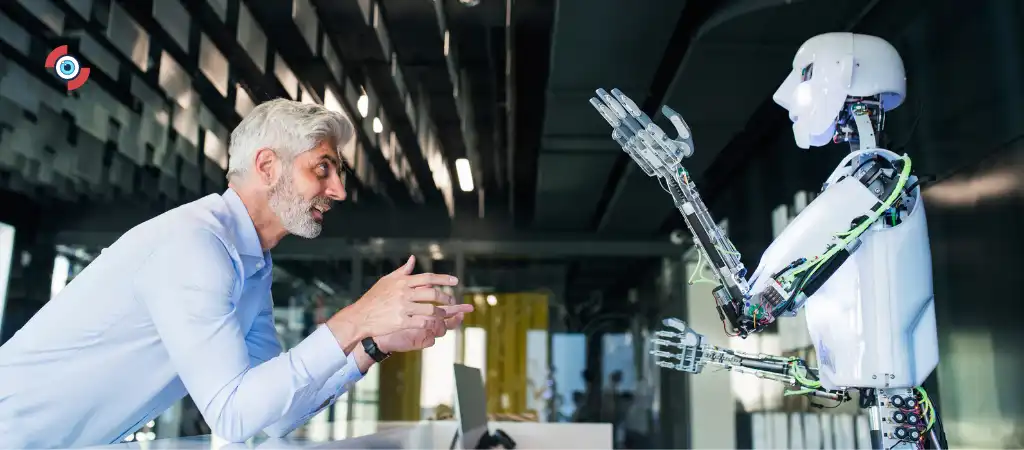
Robots have become a fundamental aspect of modern technology, transforming industries, enhancing productivity, and revolutionizing the way humans interact with machines. Their integration into various sectors underscores their importance and the broad scope of their capabilities. This comprehensive guide explores the diverse roles of robots in modern technology, examining their applications, benefits, and future prospects.
Robots in Modern Technology
Robots, defined as programmable machines capable of performing tasks autonomously or semi-autonomously, are pivotal in modern technology. These mechanical devices are designed to execute complex tasks with precision and efficiency, often surpassing human capabilities. As technology advances, robots are becoming more sophisticated, integrating artificial intelligence (AI), machine learning, and advanced sensors to enhance their functionality.
The Evolution of Robots
Early Development
The concept of robots dates back to ancient civilizations, but significant progress began in the 20th century. Early robots were simple mechanical devices with limited capabilities, primarily used in manufacturing. The introduction of programmable logic controllers (PLCs) in the 1960s marked a significant advancement, allowing robots to perform repetitive tasks with high precision.
Modern Robotics
In recent decades, robotics has evolved rapidly, driven by advancements in AI, machine learning, and sensor technology. Modern robots are equipped with advanced algorithms, enabling them to learn from their environment, make decisions, and adapt to new tasks. This evolution has expanded their applications beyond manufacturing to healthcare, logistics, agriculture, and more.
Applications of Robots in Modern Technology
Manufacturing
Industrial Robots
Industrial robots are integral to modern manufacturing processes. They are used for tasks such as welding, painting, assembly, and material handling. These robots enhance productivity, improve product quality, and reduce labor costs. Collaborative robots, or cobots, are a subset of industrial robots designed to work alongside humans, improving efficiency and safety in manufacturing environments.
Healthcare
Surgical Robots
In healthcare, robots are revolutionizing surgical procedures. Surgical robots, such as the da Vinci Surgical System, allow surgeons to perform minimally invasive surgeries with greater precision and control. These robots enhance surgical outcomes, reduce recovery times, and minimize the risk of complications.
Rehabilitation and Caregiving Robots
Robots are also used in rehabilitation and caregiving. Rehabilitation robots assist patients in recovering from injuries by providing physical therapy and monitoring progress. Caregiving robots help elderly and disabled individuals with daily tasks, promoting independence and improving quality of life.
Logistics and Supply Chain
Autonomous Mobile Robots (AMRs)
In logistics, autonomous mobile robots (AMRs) are transforming supply chain operations. These robots navigate warehouses autonomously, transporting goods and optimizing inventory management. AMRs improve efficiency, reduce labor costs, and enhance the accuracy of logistics operations.
Drones
Drones, or unmanned aerial vehicles (UAVs), are increasingly used in logistics for tasks such as inventory management, surveillance, and delivery. Companies like Amazon and UPS are exploring the use of drones for last-mile delivery, aiming to reduce delivery times and improve customer satisfaction.
Agriculture
Precision Agriculture
In agriculture, robots are enhancing productivity through precision farming techniques. Agricultural robots perform tasks such as planting, weeding, and harvesting with high precision, reducing the need for manual labor and minimizing resource usage. Drones are used for crop monitoring and spraying, improving crop health and yield.
Service Industry
Hospitality and Retail
In the service industry, robots are improving customer experiences and operational efficiency. In hospitality, robots are used for tasks such as check-in, room service, and cleaning. In retail, robots assist with inventory management, customer service, and checkout processes, enhancing the shopping experience and reducing operational costs.
Defense and Security
Military Robots
In defense, robots play a critical role in enhancing security and operational capabilities. Military robots are used for tasks such as bomb disposal, surveillance, and reconnaissance. These robots improve the safety of military personnel and enhance the effectiveness of military operations.
Security Robots
Security robots are used in various settings, including airports, shopping malls, and public spaces, for surveillance and monitoring. Equipped with cameras, sensors, and AI algorithms, these robots detect and respond to security threats, improving public safety.
Benefits of Robots in Modern Technology
Increased Productivity
One of the primary benefits of robots in modern technology is increased productivity. Robots perform tasks with high speed and precision, significantly enhancing production rates and reducing downtime. This increased efficiency is particularly evident in manufacturing, logistics, and agriculture.
Improved Quality and Consistency
Robots ensure high-quality and consistent output by performing tasks with precision and accuracy. In manufacturing, robots minimize human errors, resulting in superior product quality. In healthcare, surgical robots improve the accuracy of surgical procedures, leading to better patient outcomes.
Cost Reduction
While the initial investment in robots can be substantial, the long-term cost savings are significant. Robots reduce labor costs by automating repetitive and labor-intensive tasks. They also minimize material waste and optimize resource usage, contributing to overall cost reduction.
Enhanced Safety
Robots improve safety in various industries by performing hazardous tasks that pose risks to human workers. In manufacturing, robots handle dangerous materials and perform tasks in hazardous environments. In defense, robots conduct surveillance and bomb disposal, protecting military personnel.
Flexibility and Scalability
Modern robots are highly flexible and scalable, capable of adapting to different tasks and environments. This flexibility allows businesses to scale their operations efficiently, responding to changing demands and market conditions. In logistics, AMRs can be reprogrammed to handle different types of goods, enhancing operational flexibility.
Challenges and Considerations
High Initial Investment
The deployment of robots involves a significant initial investment, which can be a barrier for small and medium-sized enterprises (SMEs). The cost of robots, coupled with the expenses related to integration, maintenance, and training, requires careful consideration and financial planning.
Technical Complexity
The integration and maintenance of robots require specialized knowledge and skills. Businesses need to invest in training their workforce to operate and maintain robots effectively. The complexity of robots also demands continuous monitoring and updating to ensure optimal performance.
Job Displacement
The automation of tasks by robots has raised concerns about job displacement and unemployment. While robots create new opportunities and roles, they also replace certain manual and repetitive jobs. Addressing this challenge requires reskilling and upskilling the workforce to prepare them for new roles in a robot-driven economy.
Ethical and Social Implications
The increasing use of robots raises ethical and social implications. Issues such as privacy, data security, and the ethical treatment of AI-driven robots require careful consideration. Establishing regulatory frameworks and ethical guidelines is essential to address these concerns and ensure the responsible use of robots.
Future Trends in Robotics
Artificial Intelligence and Machine Learning
The integration of AI and machine learning is driving the next wave of advancements in robotics. AI enables robots to learn from their experiences, make decisions, and perform complex tasks autonomously. Machine learning algorithms enhance the ability of robots to adapt to new environments and tasks, improving their efficiency and functionality.
Human-Robot Collaboration
The future of robotics lies in human-robot collaboration, where robots work alongside humans, complementing their skills and capabilities. Cobots are designed to collaborate with human workers, enhancing productivity and safety. This collaborative approach leverages the strengths of both humans and robots, creating a synergistic work environment.
Autonomous Systems
The development of autonomous systems is a significant trend in robotics. Autonomous robots, capable of operating without human intervention, are becoming more prevalent in industries such as logistics, agriculture, and transportation. These systems use advanced sensors, AI, and machine learning to navigate and perform tasks independently.
Soft Robotics
Soft robotics is an emerging field focused on creating robots with flexible and adaptable structures. These robots are made from soft materials, allowing them to interact safely with humans and delicate objects. Soft robots have applications in healthcare, agriculture, and manufacturing, where traditional rigid robots may not be suitable.
Internet of Things (IoT) Integration
The integration of robots with the Internet of Things (IoT) is transforming their capabilities. IoT connectivity enables robots to communicate with other devices and systems, enhancing their efficiency and functionality. In smart manufacturing, IoT-connected robots optimize production processes by sharing real-time data and insights.
Robotics in Space Exploration
Space exploration is another frontier for robotics. Robots are used for tasks such as planetary exploration, satellite maintenance, and space station operations. The development of autonomous and AI-driven robots is critical for the success of future space missions, enabling the exploration of distant planets and celestial bodies.
You Might Be Interested In
- What Does Ais Stand For In School?
- Is Intel Or AMD Better For Gaming?
- Why Ai In Forensic Data Analysis Aids Medicine?
- Is C.ai Bad For The Environment?
- Can Ai Replace Human Judges? 5 Shocking Experiments
Conclusion
The role of robots in modern technology is multifaceted and transformative. From manufacturing and healthcare to logistics and agriculture, robots are enhancing productivity, improving quality, and revolutionizing industries. The integration of AI, machine learning, and advanced sensors is driving the evolution of robots, making them more capable and versatile.
Despite challenges such as high initial investment, technical complexity, and job displacement, the benefits of robots in modern technology are significant. As technology continues to advance, the future of robotics holds immense potential, promising further innovations and advancements that will shape the world of tomorrow.
FAQs
What are the main applications of robots in modern technology?
Robots are widely used across various industries due to their ability to perform complex and repetitive tasks with high precision. The main applications include:
- Manufacturing: Robots are essential in manufacturing for tasks such as welding, painting, assembly, and material handling. Industrial robots and collaborative robots (cobots) improve productivity and quality.
- Healthcare: In healthcare, robots assist in surgeries (surgical robots like the da Vinci system), rehabilitation (rehabilitation robots), and caregiving (caregiving robots for the elderly and disabled).
- Logistics and Supply Chain: Autonomous mobile robots (AMRs) and drones streamline logistics operations, optimize inventory management, and facilitate faster deliveries.
- Agriculture: Agricultural robots enhance precision farming, performing tasks like planting, weeding, and harvesting. Drones are also used for crop monitoring and spraying.
- Service Industry: In hospitality and retail, robots improve customer service, manage inventory, and assist with checkout processes. They perform cleaning and maintenance tasks in hotels and stores.
- Defense and Security: Military and security robots handle bomb disposal, surveillance, reconnaissance, and monitoring tasks, enhancing safety and operational effectiveness.
How do robots enhance productivity and quality in manufacturing?
Robots significantly enhance productivity and quality in manufacturing through the following ways:
- Speed and Efficiency: Robots operate faster than humans, performing repetitive tasks quickly and consistently without fatigue, which increases overall production rates.
- Precision and Accuracy: Robots execute tasks with high precision, reducing errors and ensuring consistent quality. This is particularly crucial in processes like welding, painting, and assembly where uniformity is key.
- 24/7 Operation: Robots can work continuously without breaks, maximizing uptime and production output. This round-the-clock operation is especially beneficial for high-demand industries.
- Flexibility: Modern robots can be reprogrammed to perform various tasks, providing flexibility in production lines. Collaborative robots (cobots) can work alongside humans, adapting to different tasks as needed.
- Safety: Robots handle hazardous tasks, reducing the risk of accidents and injuries. This not only improves safety but also ensures compliance with safety regulations, avoiding downtime due to accidents.
What are the challenges of implementing robots in businesses?
Implementing robots in businesses comes with several challenges:
- High Initial Investment: The upfront cost of purchasing and installing robots is significant, which can be a barrier for small and medium-sized enterprises (SMEs). This includes costs for hardware, software, integration, and training.
- Technical Complexity: Operating and maintaining robots require specialized skills and knowledge. Businesses need to invest in training their workforce and may need to hire specialized technicians for robot maintenance and troubleshooting.
- Integration with Existing Systems: Integrating robots with existing systems and processes can be complex and time-consuming. Ensuring compatibility and smooth operation requires careful planning and execution.
- Job Displacement: The automation of tasks by robots can lead to job displacement, particularly in roles involving repetitive and manual tasks. This necessitates addressing workforce concerns through reskilling and upskilling programs.
- Ethical and Social Implications: The increased use of robots raises ethical questions regarding data privacy, security, and the ethical treatment of AI. Establishing guidelines and regulatory frameworks is crucial to address these concerns responsibly.
How is AI transforming the capabilities of robots in modern technology?
Artificial Intelligence (AI) is revolutionizing the capabilities of robots in several ways:
- Autonomous Decision-Making: AI enables robots to make decisions and perform tasks autonomously without human intervention. This is particularly useful in dynamic environments where robots need to adapt to changing conditions.
- Learning and Adaptation: Machine learning algorithms allow robots to learn from their experiences and improve their performance over time. This ability to learn and adapt makes robots more efficient and capable of handling complex tasks.
- Enhanced Perception: AI enhances the sensory capabilities of robots, allowing them to interpret and respond to their environment more effectively. Advanced sensors and computer vision enable robots to recognize objects, navigate spaces, and interact with humans.
- Human-Robot Collaboration: AI improves the collaboration between humans and robots. Collaborative robots (cobots) equipped with AI can understand human intentions, work safely alongside humans, and assist in tasks that require human-robot interaction.
- Predictive Maintenance: AI-powered predictive maintenance systems enable robots to monitor their own health and predict potential failures. This reduces downtime and maintenance costs by addressing issues before they lead to significant problems.
What future trends are expected in the field of robotics?
The field of robotics is expected to witness several exciting trends in the coming years:
- Advanced AI Integration: Further integration of AI and machine learning will make robots smarter, more autonomous, and capable of performing increasingly complex tasks.
- Human-Robot Collaboration: The development of more advanced collaborative robots (cobots) will enhance human-robot teamwork, with robots taking on supportive roles and working seamlessly alongside humans.
- Autonomous Systems: The rise of fully autonomous systems will see robots operating independently in various sectors, including logistics, agriculture, and transportation, without the need for human intervention.
- Soft Robotics: The emergence of soft robotics, which involves robots made from flexible and adaptive materials, will expand the applications of robots in delicate and sensitive environments, such as healthcare and agriculture.
- IoT Integration: The integration of robots with the Internet of Things (IoT) will enhance their connectivity and data-sharing capabilities, leading to smarter and more efficient systems across industries.
- Space Exploration: Robots will play a crucial role in space exploration, conducting planetary exploration, satellite maintenance, and space station operations. Autonomous and AI-driven robots will be essential for future space missions.
