



Endpoint Security has become one of the most critical pillars of modern cybersecurity as organizations rapidly shift toward remote and hybrid work models. In a remote-first world, employees no longer operate only from secured office networks.
Instead, laptops, mobile phones, tablets, and home computers connect from different locations, networks, and devices every single day. This shift has expanded the attack surface dramatically and made endpoint security for remote work a top priority for businesses of all sizes.
Remote work offers flexibility, productivity, and global talent access. However, it also exposes endpoints to phishing attacks, ransomware, malware, unsecured Wi-Fi networks, and human error.
Without strong remote endpoint security, even one compromised device can give attackers access to sensitive systems, data, and applications. This guide explains endpoint security in simple terms, why it matters, how it works, and how organizations can protect their remote workforce cybersecurity effectively.
Endpoint Security in Simple Terms
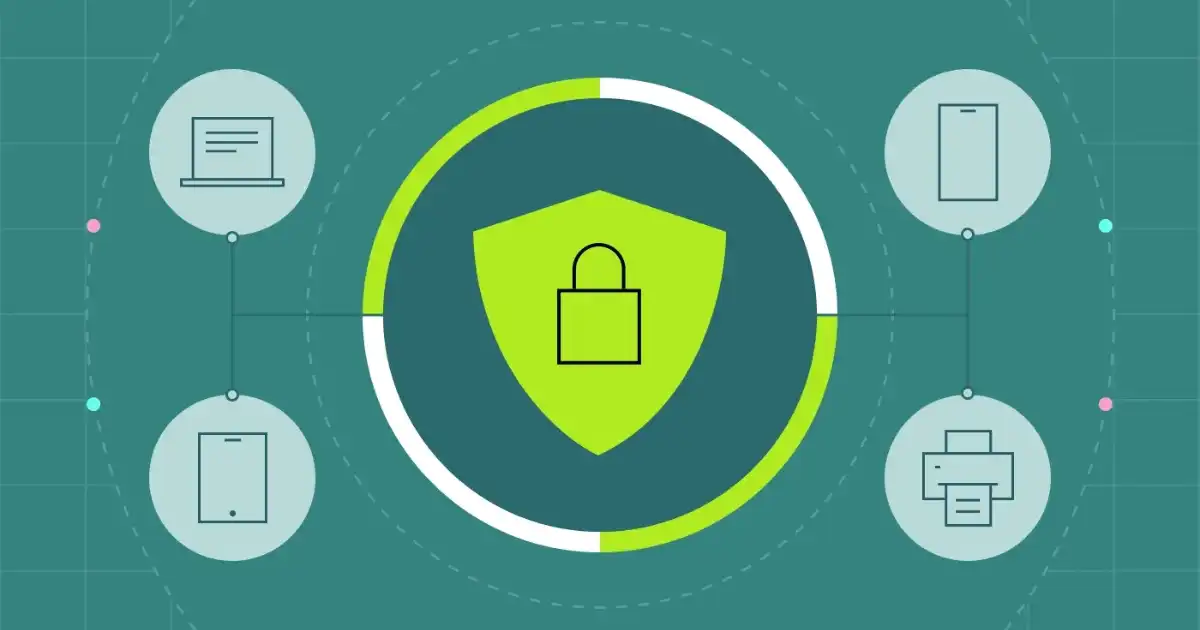
Endpoint Security refers to the practice of protecting endpoint devices that connect to a network. Endpoints include laptops, desktops, smartphones, tablets, and even IoT devices. These devices act as entry points to corporate systems, making them prime targets for cybercriminals.
In traditional office environments, security teams could rely on firewalls and controlled networks. In a remote-first world, those boundaries no longer exist. Each endpoint must be secured individually, regardless of location. This is why endpoint security for remote work focuses on device-level protection rather than just network-level defenses.
Remote endpoint security ensures that every device follows security rules, receives updates, detects threats, and responds to attacks in real time. It helps organizations maintain visibility and control even when employees work from home, cafés, or different countries.
Why Endpoint Security Matters More Than Ever
Remote work has fundamentally changed how organizations operate. Employees now access company systems from personal networks and devices, increasing risks significantly. Endpoint Security helps address these challenges by protecting data, applications, and users wherever they are.
Cybercriminals actively target remote workers because home networks are often less secure. Phishing emails, malicious links, and fake software updates are common entry points. Without proper endpoint security for remote work, attackers can exploit vulnerabilities and move laterally across systems.
Remote workforce cybersecurity is not just about technology. It is also about trust, compliance, and business continuity. A single endpoint breach can lead to data loss, downtime, reputational damage, and regulatory penalties. Endpoint security minimizes these risks by creating a strong security foundation for remote operations.
The Evolution of Endpoint Security
Endpoint security has evolved significantly over the past decade. Earlier solutions focused mainly on antivirus software that relied on known malware signatures. While useful, these tools struggled against advanced threats.
Modern endpoint security now includes intelligent systems that detect suspicious behavior, analyze patterns, and respond automatically. This evolution is especially important for remote endpoint security, where real-time detection and response are essential.
Today’s endpoint protection platforms (EPP) and endpoint detection and response (EDR) solutions work together to provide layered security. They protect against known threats while also identifying unknown and emerging attacks.
Key Challenges in a Remote-First Environment
Increased Attack Surface
Every remote device adds to the organization’s attack surface. Endpoint Security must cover a wide range of devices, operating systems, and user behaviors.
Unsecured Networks
Home and public Wi-Fi networks often lack enterprise-level security. Remote endpoint security ensures that endpoints remain protected even on insecure networks.
Device Diversity
Remote work encourages the use of different devices. Managing security consistently across them is a major challenge for endpoint security teams.
Limited Visibility
Security teams cannot physically access remote devices. Endpoint security tools must provide centralized visibility and control.
Core Components of Endpoint Security
Endpoint Protection Platforms (EPP)
Endpoint protection platforms (EPP) are designed to prevent threats before they cause harm. They include antivirus, anti-malware, firewall controls, and device management features. EPP focuses on proactive defense, stopping known threats at the endpoint level.
For endpoint security for remote work, EPP ensures that devices follow security policies, receive updates, and remain compliant. It acts as the first line of defense against common attacks.
Endpoint Detection and Response (EDR)
Endpoint detection and response (EDR) goes beyond prevention. It continuously monitors endpoint activity to detect suspicious behavior. When a threat is detected, EDR provides detailed insights and automated response options.
EDR is essential for remote workforce cybersecurity because it enables rapid detection and containment of threats. Even if an attacker bypasses preventive measures, EDR helps stop the attack before it spreads.
How Endpoint Security Protects Remote Workers
Endpoint Security works silently in the background to protect users and systems. It scans files, monitors processes, and analyzes network activity. When something unusual happens, it alerts security teams or takes automated action.
Remote endpoint security also enforces encryption, secure authentication, and access controls. This ensures that sensitive data remains protected even if a device is lost or stolen.
By combining EPP and EDR, endpoint security creates a strong defense that adapts to evolving threats. This layered approach is crucial in a remote-first world where attackers constantly change tactics.
Best Practices for Endpoint Security in Remote Work
Enforce Strong Authentication
Multi-factor authentication adds an extra layer of security. Endpoint security solutions often integrate with authentication systems to reduce unauthorized access.
Keep Devices Updated
Regular updates close security gaps. Endpoint security ensures that patches are applied automatically, even on remote devices.
Educate Employees
Human error is a major risk factor. Training employees on phishing and safe practices strengthens remote workforce cybersecurity.
Centralized Management
Managing endpoint security from a single dashboard improves visibility and control. This is especially important for remote endpoint security.
The Role of Automation in Endpoint Security
Automation plays a critical role in modern endpoint security. Automated threat detection and response reduce reaction time and human workload. In remote environments, automation ensures consistent protection across all endpoints.
Endpoint detection and response solutions use automation to isolate infected devices, stop malicious processes, and collect forensic data. This helps security teams respond faster and more effectively.
Endpoint Security and Compliance
Many industries require strict data protection standards. Endpoint security helps organizations meet compliance requirements by enforcing security policies and logging activities.
Remote endpoint security ensures that compliance does not weaken when employees work remotely. It provides audit trails, reporting, and policy enforcement regardless of location.
Measuring the Effectiveness of Endpoint Security
Effective endpoint security is measured through visibility, response time, and threat prevention rates. Organizations should regularly review security metrics to identify gaps.
Remote workforce cybersecurity improves when endpoint security tools provide clear insights and actionable intelligence. Continuous improvement is key in a rapidly changing threat landscape.
Future Trends in Endpoint Security
Endpoint security will continue to evolve as remote work becomes permanent for many organizations. Artificial intelligence and machine learning will enhance threat detection and prediction.
Zero trust principles will also influence endpoint security strategies. Every endpoint will be treated as potentially untrusted until verified, strengthening remote endpoint security further.
You Might Be Interested In
- How Ai Is Powering Low-code Platforms Behind The Scenes?
- How To Use Ai For Landscape Design?
- Which Ai Is Best For Helping With Resume Tuning?
- 21 Prompt Tips That Upgrade Any Ai
- How Do Humans And Ai Work Together In Real Scenarios?
- How To Draft Better Emails With Ai In Minutes?
- 7 Ways Ai Algorithms Reinforce Gender Inequality
- Does Canvas Discussion Check For Ai?
- 10 Ai-powered Fraud Detection Strategies Banks Love
- What Software Is Used To Edit 5.1 Audio?
Conclusion
Endpoint Security is no longer optional in a remote-first world. It is a foundational requirement for protecting devices, data, and users across distributed environments. As organizations embrace remote work, the importance of endpoint security for remote work continues to grow.
Remote endpoint security addresses the unique challenges of decentralized workforces by securing each device individually. Through endpoint protection platforms (EPP) and endpoint detection and response (EDR), organizations gain both preventive and reactive defenses. These tools work together to reduce risk, improve visibility, and respond to threats quickly.
Ultimately, strong endpoint security empowers organizations to operate securely without sacrificing flexibility. By investing in modern endpoint security solutions, educating employees, and adopting best practices, businesses can build resilient remote workforce cybersecurity strategies that support long-term growth and trust.
FAQs about Endpoint Security
What is Endpoint Security and why is it important for remote work?
Endpoint Security is the practice of protecting devices such as laptops, desktops, and mobile phones that connect to an organization’s systems. In a remote work environment, employees often use home networks or public internet connections, which are not as secure as office networks. This makes endpoint security for remote work extremely important because each device becomes a potential entry point for cyberattacks.
Strong endpoint security helps protect sensitive company data from threats like malware, ransomware, and phishing attacks. It ensures that even when employees work from different locations, their devices remain monitored, updated, and secure. This protection is essential for maintaining trust, productivity, and business continuity in a remote-first world.
How does endpoint security differ from traditional network security?
Traditional network security focuses on protecting a central office network using firewalls and perimeter-based defenses. This approach assumes that users and devices inside the network are trusted. However, this model does not work well in remote environments where employees access systems from outside the corporate network.
Endpoint Security shifts the focus from the network to individual devices. It protects endpoints directly, regardless of where they are located. This makes remote endpoint security more effective because it secures devices on home Wi-Fi, public networks, or mobile connections, ensuring consistent protection everywhere.
What role do EPP and EDR play in endpoint security?
Endpoint protection platforms (EPP) are designed to prevent known threats from reaching endpoint devices. They include features like antivirus, malware protection, and policy enforcement. EPP acts as the first layer of defense, stopping common attacks before they can cause damage.
Endpoint detection and response (EDR) adds a deeper layer of security by continuously monitoring device activity. It detects unusual behavior, investigates potential threats, and responds quickly to stop attacks. Together, EPP and EDR create a strong endpoint security strategy that supports effective remote workforce cybersecurity.
Can endpoint security protect personal devices used for work?
Yes, modern endpoint security solutions can protect personal devices used for work, often referred to as bring-your-own-device environments. These solutions apply security policies, monitor threats, and protect company data without interfering too much with personal use.
Endpoint security for remote work ensures that business data remains secure even on personal devices. Features like data encryption, secure access controls, and remote wipe capabilities help organizations maintain security while allowing flexibility for remote employees.
How can organizations improve endpoint security for remote teams?
Organizations can improve endpoint security by adopting centralized management tools that provide visibility across all remote devices. Regular updates, automated threat detection, and consistent security policies help reduce vulnerabilities in remote environments.
Training employees is also critical for remote workforce cybersecurity. When users understand common threats and safe practices, endpoint security becomes more effective. Combining technology with awareness creates a stronger and more resilient security posture for remote teams.
