



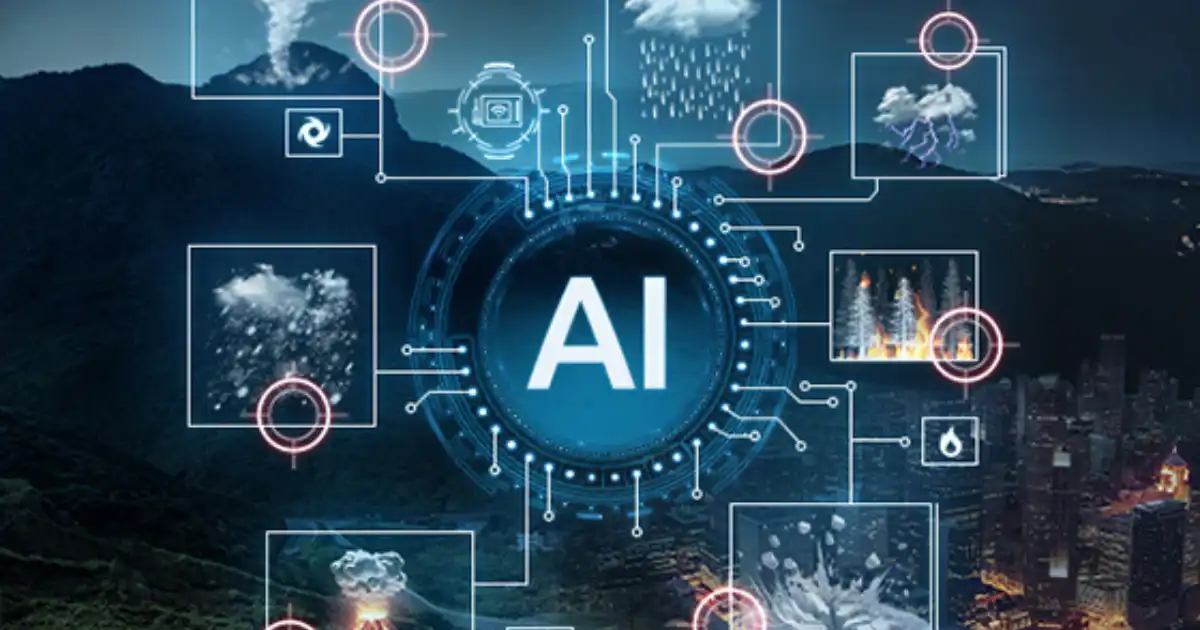
Imagine a world where every second counts. A massive earthquake has struck a bustling city, roads are blocked, communications are down, and countless lives hang in the balance.
Traditional disaster response teams are struggling to navigate the chaos, and human limitations are painfully evident. But what if we could harness technology to act faster, smarter, and more efficiently than ever before? Enter AI for Disaster Response, a revolutionary force transforming how emergency situations are managed and how communities recover.
From predicting potential hazards to coordinating rescue operations in real-time, AI for Disaster Response security offers unprecedented possibilities. In this guide, we explore how integrating artificial intelligence into disaster management not only saves lives but also ensures safety, efficiency, and resilience on a global scale.
Why Disaster Response Security Matters
Natural disasters and human-made crises can strike anywhere, anytime. From hurricanes and wildfires to industrial accidents, every disaster scenario presents unique challenges. The stakes are incredibly high—delays, miscommunication, or misallocation of resources can lead to catastrophic consequences. Disaster Response security is not just about managing immediate emergencies; it’s about creating systems that protect communities, reduce risks, and ensure rapid recovery. In this context, AI technologies have become game-changers, allowing responders to act decisively even under extreme conditions.
Traditional disaster management relies heavily on human judgment, static planning, and reactive measures. While dedicated, well-trained personnel are essential, human-centric approaches have inherent limitations, especially during large-scale emergencies. Fatigue, cognitive overload, and fragmented information often hinder rapid decision-making. AI, by contrast, can process massive datasets, identify patterns, and make predictive analyses far beyond human capabilities. This is why integrating AI into Disaster Response security is not just helpful—it is essential for safeguarding lives and property.
The Role of AI in Modern Disaster Management
Predictive Analytics: Foreseeing the Unforeseen
One of the most powerful applications of AI in Disaster Response is predictive analytics. Machine learning algorithms can analyze historical disaster data, weather patterns, geological surveys, and population demographics to forecast where disasters are most likely to strike. For instance, AI systems can predict the path of hurricanes with remarkable accuracy, allowing communities to prepare in advance. Early warning systems powered by AI can trigger evacuation protocols, deploy emergency supplies, and alert first responders to potential hotspots, minimizing human and economic losses.
Predictive capabilities extend to human-made disasters as well. AI can monitor industrial sites, detect anomalies in equipment, or flag suspicious activities that could escalate into security threats. By providing early warnings, AI ensures that intervention occurs before disaster strikes, transforming reactive approaches into proactive strategies.
Real-Time Data Processing: Decision-Making in the Blink of an Eye
Disasters generate enormous amounts of data—satellite imagery, sensor readings, social media feeds, and communication logs. Traditional human analysis often struggles to process such vast volumes of information promptly. AI, however, excels at real-time data processing. For example, during wildfires, AI-powered drones and satellite systems can detect fire spread patterns, wind direction, and hotspots, instantly relaying this information to emergency teams. This enables rapid deployment of firefighting resources, evacuation measures, and medical support.
Moreover, AI systems can filter through misinformation and prioritize credible data, ensuring that response teams act based on accurate insights. This real-time intelligence significantly enhances Disaster Response security, as decision-makers can allocate resources efficiently and reduce the risk of chaos.
Resource Optimization: Smarter Allocation Saves Lives
In any disaster scenario, resources—medical supplies, rescue personnel, equipment—are limited. AI can optimize resource allocation by analyzing factors such as population density, severity of damage, and accessibility of affected areas. For example, AI can determine the most efficient routes for ambulances, predict where relief supplies are most urgently needed, and balance workloads among rescue teams. This ensures that resources reach the right people at the right time, maximizing impact while minimizing wastage.
By integrating AI-driven resource management into Disaster Response, agencies can dramatically improve operational efficiency. Time-sensitive decisions, such as prioritizing high-risk zones, become more precise and effective, directly saving lives and property.
AI-Powered Tools for Disaster Response Security
Drone Surveillance and Aerial Intelligence
Drones equipped with AI-powered cameras and sensors have become indispensable tools in disaster management. They can navigate dangerous terrains, capture high-resolution imagery, and identify hazards invisible to the naked eye. For instance, after a flood, drones can locate stranded individuals, assess structural damage, and map flooded areas in real-time. AI algorithms process this data, generating actionable insights for emergency teams.
Beyond visual intelligence, drones can carry supplies such as food, medicine, or communication devices to isolated communities. By automating both reconnaissance and delivery, AI-enabled drones enhance Disaster Response security and ensure timely intervention in critical scenarios.
Social Media and Communication Monitoring
In modern crises, social media serves as a vital source of information. Victims post urgent pleas for help, while witnesses share real-time updates about affected areas. AI can scan social media feeds, filter relevant posts, and map disaster zones using geotagging data. This enables authorities to respond more effectively and target assistance where it is needed most.
Additionally, AI can identify emerging threats, such as misinformation or panic-inducing rumors, which can compromise disaster response operations. By monitoring public sentiment and communication channels, AI strengthens the overall security framework in emergency management.
Predictive Modeling for Disaster Scenarios
AI-driven simulation and predictive modeling allow authorities to anticipate various disaster outcomes. These models integrate multiple data sources—meteorological data, historical events, demographic trends—to create realistic disaster scenarios. Emergency teams can use these simulations to develop contingency plans, train personnel, and test resource allocation strategies.
By continuously refining these models with new data, AI ensures that Disaster Response security evolves alongside emerging threats. Predictive modeling shifts disaster management from reactive to strategic, enabling communities to withstand and recover from crises more effectively.
AI in Emergency Healthcare Response
Healthcare response during disasters is often overwhelmed by sudden surges in demand. AI applications in emergency medicine can predict patient influx, optimize hospital resource allocation, and even assist in triage operations. For example, AI algorithms can analyze patterns in injury types during past disasters to predict which medical supplies will be most needed.
Telemedicine platforms powered by AI can extend medical support to inaccessible areas, offering guidance to local caregivers and first responders. AI can also identify patients at high risk of complications, ensuring that critical care resources are prioritized effectively. In essence, AI not only enhances Disaster Response efficiency but also ensures that medical interventions save as many lives as possible.
Enhancing Security Through AI
Threat Detection and Risk Assessment
Disasters often create vulnerabilities that can be exploited—looting, infrastructure sabotage, or cyberattacks targeting emergency systems. AI systems can continuously monitor threats and assess risks, alerting authorities to potential security breaches. For example, AI surveillance tools can identify unusual crowd movements or unauthorized access to critical facilities, enabling proactive security measures.
Cybersecurity in Disaster Management
In the digital age, disaster management relies heavily on interconnected systems—communications networks, data storage, and control mechanisms. AI-driven cybersecurity solutions protect these systems from cyberattacks, ensuring that emergency operations remain uninterrupted. By detecting anomalies, blocking malicious activity, and predicting potential cyber threats, AI safeguards the integrity and reliability of Disaster Response security frameworks.
Case Studies: AI Making a Difference
Hurricane Response
During hurricanes, AI-powered prediction models have dramatically improved evacuation planning. In recent hurricane seasons, AI algorithms accurately forecasted storm paths and intensities, enabling authorities to evacuate residents promptly and minimize casualties. Drones and satellite imagery provided real-time damage assessments, guiding emergency response teams to the most affected areas.
Earthquake Recovery
In earthquake-prone regions, AI-driven seismic monitoring systems can detect tremors before they escalate. Coupled with machine learning models, these systems predict aftershocks and structural weaknesses, helping authorities prioritize rescue missions and reduce secondary casualties. Post-disaster, AI platforms analyze building damage, optimize resource distribution, and coordinate medical relief effectively.
Wildfire Management
AI has transformed wildfire response through predictive modeling and real-time monitoring. Machine learning algorithms analyze weather data, terrain, and vegetation to predict fire behavior. AI-enabled drones track fire spread and hotspots, directing firefighting teams and evacuation efforts. This integration has proven essential in minimizing property damage, environmental impact, and human loss.
Challenges and Considerations
While AI brings immense potential, it is not without challenges. Data privacy concerns, algorithmic biases, and dependency on technology infrastructure must be addressed. Additionally, human oversight remains crucial; AI should augment, not replace, the judgment and expertise of emergency personnel. Building resilient AI systems requires rigorous testing, continual updates, and collaboration between technologists, disaster management professionals, and local communities.
The Future of AI in Disaster Response
The potential for AI in Disaster Response security is vast. Emerging technologies such as autonomous rescue robots, AI-powered satellite constellations, and intelligent early warning systems promise to further enhance disaster preparedness. Integrating AI with the Internet of Things (IoT), wearable health monitors, and smart city infrastructure will create hyper-connected emergency ecosystems capable of responding in real-time to multiple, simultaneous disasters.
As AI continues to evolve, its role in disaster response will expand from reactive assistance to proactive prevention. Predictive analytics, intelligent decision support, and autonomous intervention will redefine how societies prepare for, respond to, and recover from disasters. The ultimate goal is a world where human lives are safeguarded, communities are resilient, and recovery is swift—thanks to AI.
Comprehensive Guide: Steps to Implement AI in Disaster Response Security
Step 1: Data Collection and Integration
Collect diverse datasets—historical disaster records, environmental data, demographic information, and infrastructure maps. Integrate these into AI platforms to enable comprehensive analysis.
Step 2: Deploy Predictive Analytics
Use machine learning models to forecast disaster risks, predict hazard spread, and anticipate resource needs. Continuously refine models with new data for improved accuracy.
Step 3: Establish Real-Time Monitoring Systems
Implement AI-powered sensors, drones, and satellite monitoring tools to gather real-time intelligence during disasters. Feed this data into centralized command centers for rapid decision-making.
Step 4: Optimize Resource Allocation
Use AI algorithms to identify high-risk zones, prioritize resource distribution, and plan evacuation routes. Ensure that medical, logistical, and emergency personnel are deployed efficiently.
Step 5: Strengthen Security Measures
Integrate AI for threat detection, cybersecurity protection, and crowd monitoring. Maintain human oversight to validate AI-generated recommendations and ensure ethical deployment.
Step 6: Train Personnel
Educate emergency responders on AI tools, protocols, and interfaces. Promote collaboration between human teams and AI systems to maximize effectiveness.
Step 7: Continuous Evaluation and Improvement
Monitor AI system performance, analyze outcomes, and incorporate lessons learned. Update algorithms to adapt to evolving disaster scenarios and emerging technologies.
You Might Be Interested In
- How To Start An Ai Blog That Ranks?
- What Is Ai In Cloud Security Management?
- AI Wearables: What’s Truly Useful for Everyday Life?
- Why Ai For Insider Threat Detection Matters?
- What Is The Role Of Robots In Modern Technology?
- How To Use Ai For Digital Marketing?
- What Is The Best Game Development Software?
- 7 Tech Megaprojects Making Uae A Global Ai Hub
- Is Autonomous Driving Ai?
- Should Startups Build Their Own AI Coding Tools?
Conclusion
In the rapidly changing landscape of disaster management, AI for Disaster Response security is no longer a futuristic concept—it is a vital tool for saving lives, protecting communities, and ensuring efficient recovery. By leveraging predictive analytics, real-time data processing, AI-powered drones, and intelligent resource optimization, authorities can respond to emergencies with unprecedented speed and accuracy. AI not only enhances operational efficiency but also strengthens security, safeguards healthcare systems, and empowers decision-makers with actionable intelligence.
While challenges such as data privacy, algorithmic bias, and technology reliance remain, the benefits of AI integration far outweigh the risks. With strategic implementation, human oversight, and continuous refinement, AI can transform disaster response from reactive intervention to proactive, life-saving action. As technology evolves, AI will continue to redefine the future of disaster management, ensuring that communities are safer, more resilient, and better prepared for the uncertainties of tomorrow.
The promise of AI in Disaster Response security is clear: faster decisions, smarter strategies, and lives saved. By embracing AI technologies today, we lay the foundation for a safer, more secure world where disasters no longer catch humanity off guard.
FAQs about Disaster Response
How can AI actually be helpful in disaster response?
AI can be extremely helpful in disaster response by quickly analyzing large amounts of data to provide valuable insights. For example, AI systems can process satellite images, weather reports, and social media posts to identify areas affected by floods, earthquakes, or hurricanes. This allows rescue teams to know where help is most urgently needed, even before they can physically reach the location. AI can also predict the path of natural disasters, giving communities more time to prepare and evacuate if necessary.
Additionally, AI-powered robots and drones can access dangerous areas that might be too risky for humans, such as collapsed buildings or flooded zones. These machines can deliver supplies, search for survivors, and even provide real-time information to emergency responders. By speeding up analysis and providing accurate information, AI ensures that disaster response is faster, safer, and more effective.
Why is AI important in security?
AI is important in security because it helps identify threats faster than humans can. For instance, AI can monitor networks for unusual activity that might indicate a cyberattack, such as unauthorized access or suspicious downloads. In physical security, AI can analyze surveillance footage to detect suspicious behavior or track people in crowded areas. This allows security teams to respond quickly and prevent potential harm.
Another reason AI is vital in security is that it can learn and adapt over time. Unlike traditional methods that rely on fixed rules, AI can recognize new patterns of behavior and anticipate emerging threats. This makes it especially useful in a world where security risks are constantly changing. By combining speed, accuracy, and adaptability, AI strengthens security systems and helps keep people and organizations safe.
What are the benefits of AI incident response?
AI incident response provides several benefits, including faster detection and handling of problems. When an incident occurs, such as a data breach or a security threat, AI can immediately analyze the situation and recommend actions to contain it. This reduces the time it takes to respond, which can prevent small issues from turning into major disasters.
AI also helps reduce human error during incidents. By automating routine checks and providing clear guidance, AI ensures that responses are consistent and reliable. Furthermore, AI can keep a detailed record of each incident, which helps organizations learn from past experiences and improve their security strategies. Overall, AI incident response makes handling emergencies more efficient, accurate, and safer for everyone involved.
How does AI help with safety and security?
AI helps with safety and security by constantly monitoring environments and systems for potential threats. It can detect unusual activity in real-time, whether it’s suspicious behavior in public places, unauthorized access to a computer network, or abnormal machinery performance in factories. By spotting these issues early, AI allows people to take action before accidents or crimes happen.
Additionally, AI can predict risks by analyzing patterns from past events. For example, it can forecast areas that are more likely to experience accidents, crimes, or cyberattacks. This predictive ability helps organizations and communities plan better and implement preventive measures. By combining monitoring, detection, and prediction, AI creates a safer environment and reduces the chances of harm.
How can AI be used to improve security threat prevention?
AI improves security threat prevention by identifying risks before they become serious problems. It can analyze huge amounts of data to find patterns that humans might miss, such as unusual network activity, suspicious transactions, or early signs of criminal behavior. By recognizing these warning signs early, AI enables preventative measures that stop threats in their tracks.
AI can also continuously learn from new threats, which makes it better at predicting and preventing future incidents. For example, cybersecurity AI systems can adapt to new hacking techniques, while physical security AI can detect evolving criminal strategies. By combining advanced data analysis, constant learning, and quick response, AI makes security systems more proactive and effective at preventing harm.
