



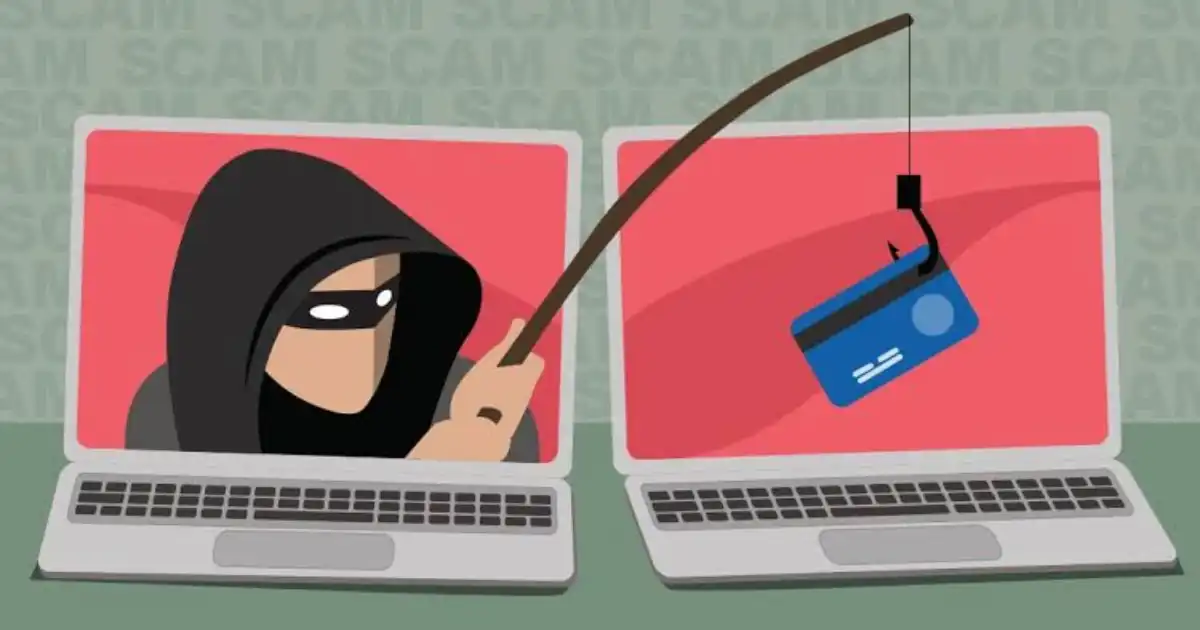
If there’s one cyber threat I’ve seen fool people from every background, it’s phishing. It doesn’t matter whether someone is a student, a business owner, an experienced employee, or someone who only uses the internet for online shopping and banking. Phishing attacks succeed because they target human behavior, not computer weaknesses. That’s an important distinction. Breaking into a well-protected computer system is difficult. Convincing a person to willingly hand over sensitive information is often much easier.
The biggest misconception is that phishing only tricks people who aren’t “good with technology.” That’s simply not true. I’ve seen experienced professionals click fake password reset emails after a long day at work. I’ve seen businesses lose thousands because someone believed an urgent payment request from what appeared to be their CEO. The attackers understood psychology better than technology.
In this guide, you’ll learn How Phishing Attacks Trick Users, what happens behind the scenes, why these attacks continue to work year after year, and most importantly, how to recognize the warning signs before it’s too late.
What Is a Phishing Attack?
Simple Definition
A phishing attack is a form of social engineering where a cybercriminal pretends to be someone trustworthy in order to trick people into revealing sensitive information or taking an unsafe action.
That information could include usernames, passwords, banking details, verification codes, or personal information used for identity theft. In other cases, the goal is simply to get someone to click a malicious link or download a harmful attachment.
The important thing to remember is that phishing isn’t about breaking security systems directly. It’s about convincing people to lower their guard.
Why It’s Called “Phishing”
The name comes from the idea of fishing with bait.
Instead of using worms or lures, attackers use fake emails, convincing messages, or realistic websites. They cast those “hooks” at hundreds or even thousands of people, hoping that someone bites.
Sometimes the bait is obvious. Sometimes it’s incredibly convincing.
The better the bait matches what people expect to see, the more successful the phishing attack becomes.
Phishing vs Traditional Hacking
Many people imagine hackers sitting behind multiple monitors typing complex code to break into systems.
Real life often looks much less dramatic.
Traditional hacking usually focuses on finding technical weaknesses in software or networks.
A phishing attack skips many of those technical challenges by asking the victim to unknowingly open the door themselves.
Imagine locking every window and installing the strongest front door available, then opening it because someone knocked while wearing a delivery company’s uniform.
That’s phishing in a nutshell.
The Role of Social Engineering
Technology is only half of cybersecurity.
Human psychology is the other half.
Social engineering takes advantage of trust, emotion, routine, and distraction. Instead of attacking software, attackers manipulate decisions.
Most phishing scams rely on questions like these:
- Will this person panic?
- Will they act quickly?
- Will they trust this familiar logo?
- Will they notice the small warning signs?
That’s why phishing awareness is just as important as antivirus software or firewalls.
Why Phishing Attacks Are So Effective
People Trust Familiar Brands
One thing I’ve noticed repeatedly is that people rarely question communications from brands they interact with every week.
Banks.
Microsoft.
Google.
Amazon.
Netflix.
Delivery companies.
Payroll systems.
Cloud storage providers.
When a familiar logo appears in a phishing email, people naturally lower their skepticism because the message fits into their normal routine.
Attackers know this.
They’re not trying to invent a new company. They’re borrowing the reputation of one you already trust.
Urgency Overrides Logic
One of the strongest phishing tactics is urgency.
Messages often suggest that your account will be locked, your payment has failed, or suspicious activity has been detected.
None of these situations are impossible.
That’s exactly why they work.
The attacker wants you thinking about solving the problem immediately instead of verifying whether the message is genuine.
I’ve watched people carefully inspect every email they receive, until one day they believe their payroll account is at risk. Suddenly they’re clicking first and thinking second.
Urgency changes behavior.
Fear Encourages Quick Decisions
Fear is closely related to urgency, but it’s even more powerful.
Imagine receiving a message claiming someone logged into your email account from another country.
Even if you normally inspect links carefully, fear pushes your brain toward immediate action.
Attackers understand that emotional decisions usually happen faster than logical ones.
The moment panic takes over, critical thinking often disappears.
Curiosity Leads to Clicks
Not every phishing attack creates fear.
Some create curiosity.
People receive messages claiming someone mentioned them online, shared confidential documents, tagged them in photos, or sent an unexpected package.
Curiosity is incredibly difficult to resist.
Even when something feels slightly unusual, people often click simply because they want to know what’s going on.
Mobile Devices Hide Warning Signs
Modern phishing security has become more difficult because people increasingly use smartphones.
Phones hide many clues that desktops reveal.
For example, it’s harder to inspect full web addresses, hover over links, or notice unusual domains on smaller screens.
Everything looks compressed.
Everything feels faster.
Attackers take advantage of that convenience.
Busy People Don’t Verify Everything
Perhaps the biggest reason phishing attacks continue to succeed is simple.
People are busy.
Employees receive hundreds of emails every week.
Business owners juggle invoices, customer requests, meetings, and deadlines.
Students receive countless university notifications.
Parents multitask constantly.
Nobody carefully investigates every message.
Attackers know this.
They’re betting you’ll spend two seconds reading instead of twenty.
Most of the time, that’s enough.
How Phishing Attacks Trick Users Step by Step
Step 1, Choosing the Right Target
- Contrary to popular belief, many phishing attacks aren’t completely random.
- Some are broad campaigns sent to thousands of people.
- Others carefully target specific industries, businesses, or individuals.
- A business owner might receive fake tax notifications.
- A university student might receive fake scholarship updates.
- An employee could receive a fake Microsoft password expiration notice.
- The attacker chooses bait that matches the target’s daily activities.
- The more believable the situation, the higher the chance someone responds.
Step 2, Gathering Information
Before sending anything, attackers often collect publicly available information.
This doesn’t necessarily involve hacking.
They may simply look at company websites, LinkedIn profiles, public social media posts, or online directories.
From those sources, they can learn:
- Job titles
- Company names
- Email formats
- Business partners
- Recent projects
- Office locations
None of that information is secret.
But together, it makes a phishing email feel much more convincing.
For example, including your company’s real name or mentioning a recent conference immediately increases credibility.
Step 3, Pretending to Be Someone Trusted
This is where impersonation becomes powerful.
Attackers may pretend to be:
- Your manager
- Human resources
- Microsoft
- Your bank
- A delivery company
- An online shopping platform
- A customer
- A supplier
The message usually looks familiar.
Brand logos.
Professional formatting.
Corporate language.
Sometimes even the sender’s display name appears correct.
Behind the scenes, however, the actual email address or website may be slightly different.
Experienced security professionals almost always check those details first because that’s where many phishing attack examples reveal themselves.
Step 4, Creating Urgency or Fear
Once trust has been established, the attacker introduces pressure.
The message might claim:
- Your password expires today.
- Your package couldn’t be delivered.
- Your payment failed.
- Someone accessed your account.
- An invoice requires immediate approval.
- Your mailbox is full.
- Your account will be suspended.
Notice something?
Every example encourages immediate action.
Very few encourage careful thinking.
That’s intentional.
The attacker wants your emotional brain making the decision before your logical brain catches up.
